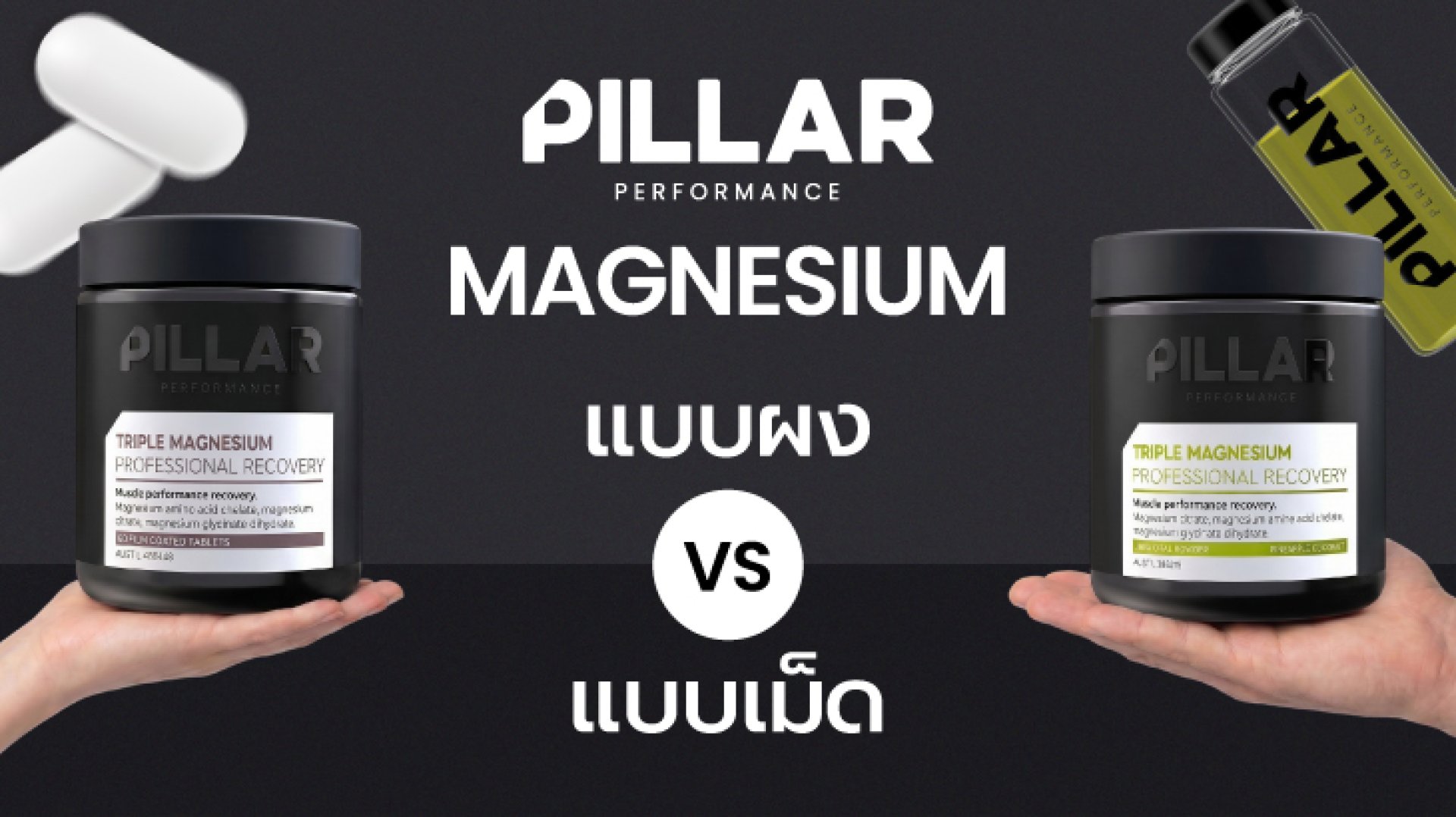
Magnesium Powder vs. Tablets
In-depth Pros and Cons
1. Magnesium Powder
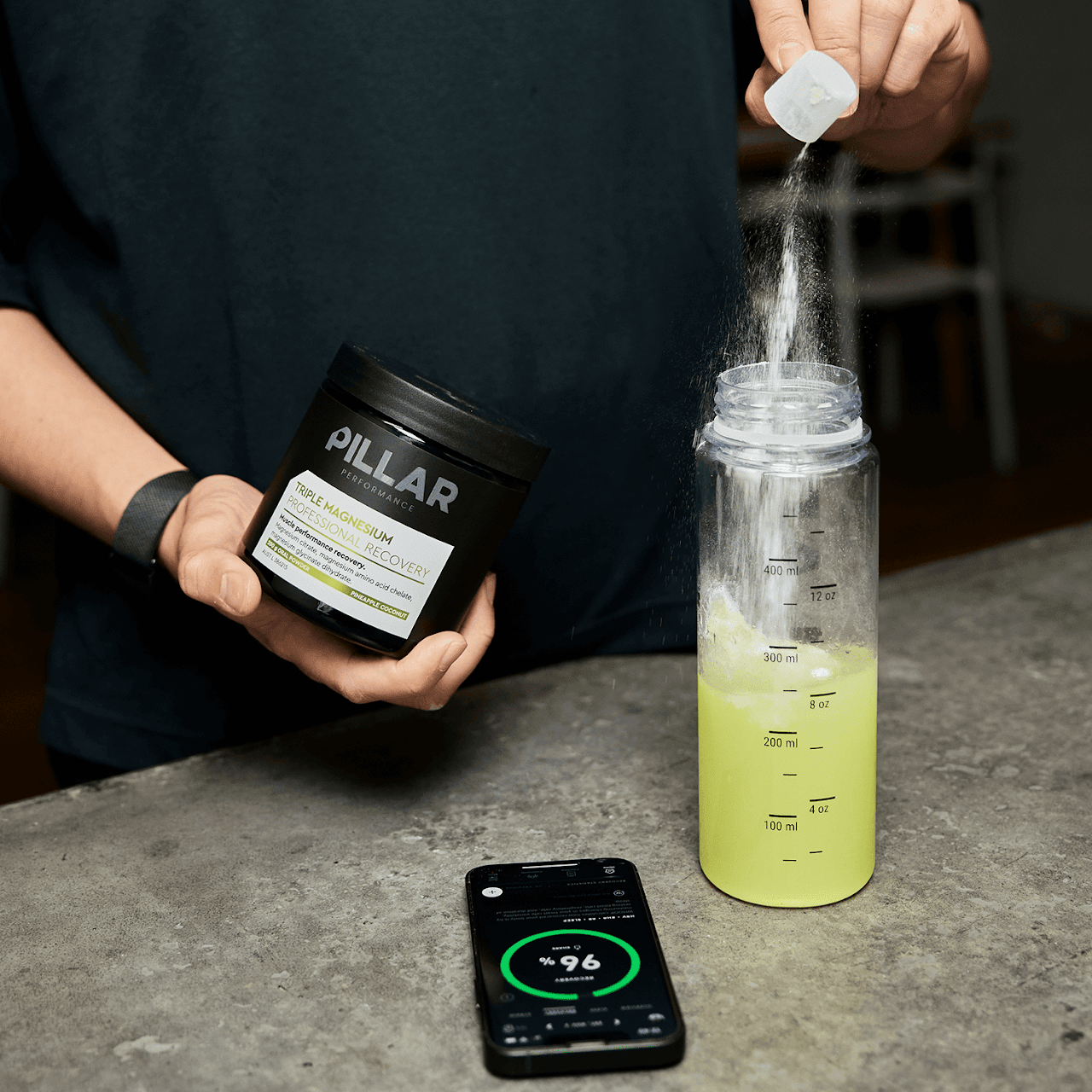
Magnesium powder is typically formulated to be highly water-soluble.
Best for: Individuals who have difficulty swallowing large pills or those with sensitive digestive systems.
Key Highlights: It is readily bioavailable, allowing the body to utilize it almost immediately. Additionally, certain formulations can be more effective at supporting healthy bowel movements.
Precautions: If the powder requires manual stirring, it may leave some residue at the bottom. Furthermore, the taste might not appeal to everyone.
2. Magnesium Tablets
This is the most popular form available on the market.
Best for: People with a busy lifestyle or frequent travelers who find it inconvenient to mix a drink.
Key Highlights: Provides precise dosage control and eliminates the issue of the unpleasant, metallic aftertaste of minerals.
Precautions: Magnesium tablets tend to be quite large, which can make them difficult to swallow for some people.
More important than the form (powder or tablet) is the "Type" of Magnesium.
• Magnesium Citrate: Supports muscle relaxation and helps prevent cramps and fatigue.
• Magnesium Glycinate: Helps relax the nervous system, reduces stress, and promotes better sleep quality.
• Magnesium Amino Acid Chelate: Enhances overall magnesium levels in the body and provides superior absorption.
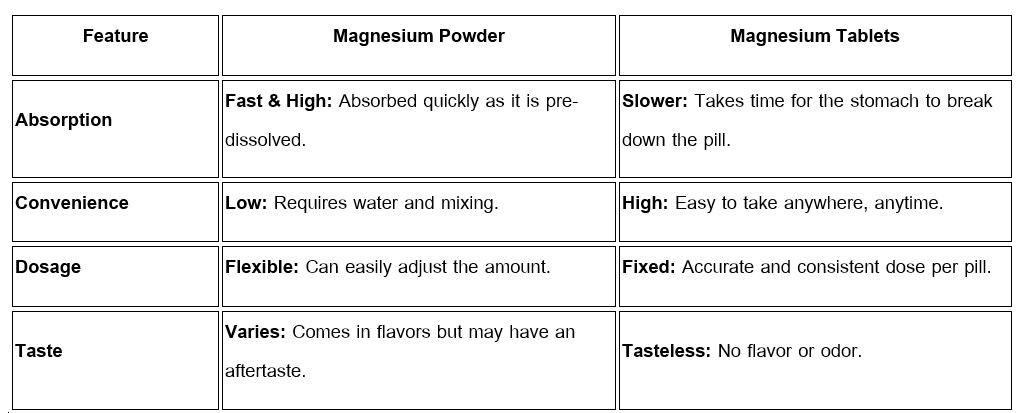
Comparison Table: Magnesium Powder vs. Tablets
You can shop PILLAR Performance at MLAB stores and online at www.mlab-store.com #PillarPerformance #Mlabstore